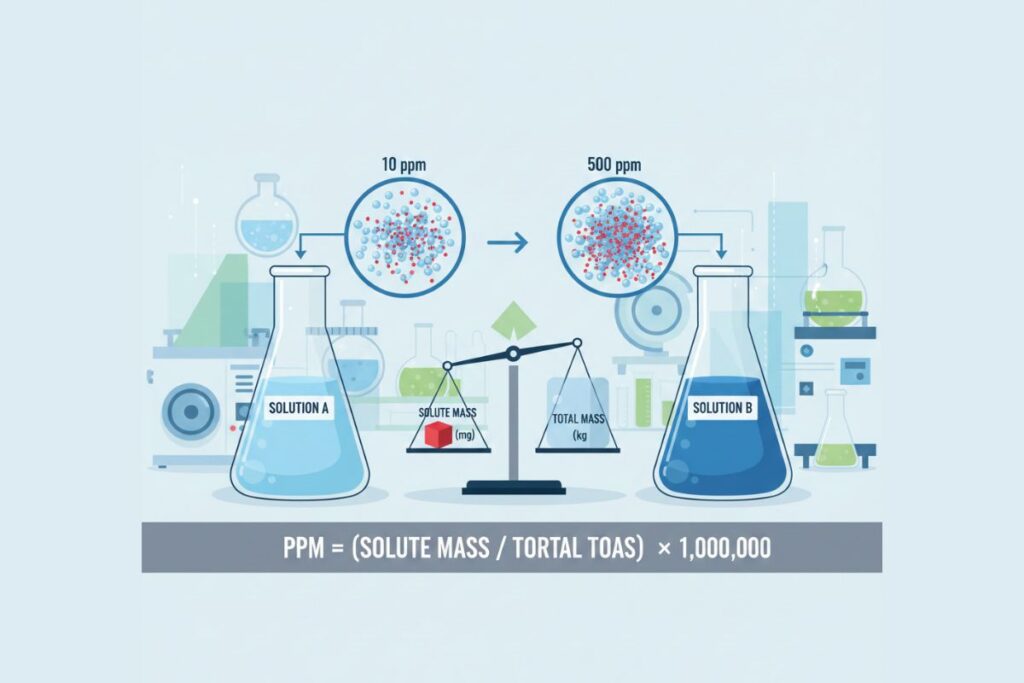
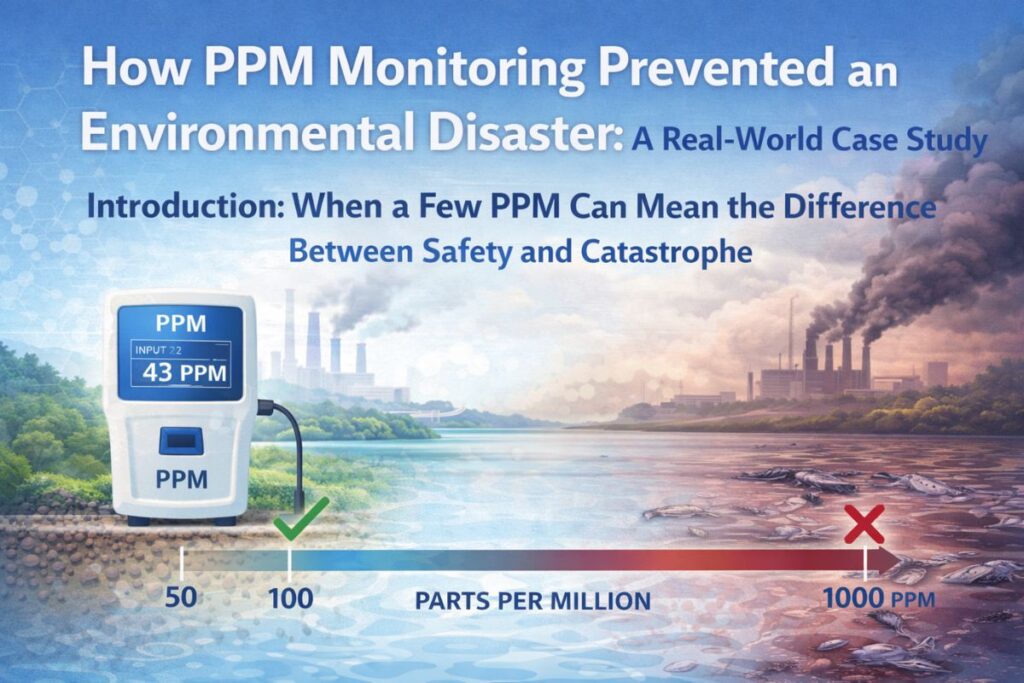
PPM in air quality is a measurement of how many parts of a gas or pollutant exist in one million parts of air. It is one of the most important units used to monitor indoor air quality and outdoor air pollution. Even though PPM values represent very small concentrations, they are critical because many gases can impact health, comfort, and safety at extremely low levels.
What Does 1 PPM Mean in Air
1 PPM means that out of one million air molecules, only one molecule belongs to the pollutant being measured. This tiny ratio can still create a significant effect depending on what the substance is and how long a person is exposed to it. For example, 1 PPM of chlorine gas in air can cause noticeable irritation, while 1 PPM of carbon dioxide is harmless because CO₂ is naturally present in air.
Understanding this ratio allows air monitoring systems to detect harmful changes early.
Why PPM Matters in Indoor Air Quality
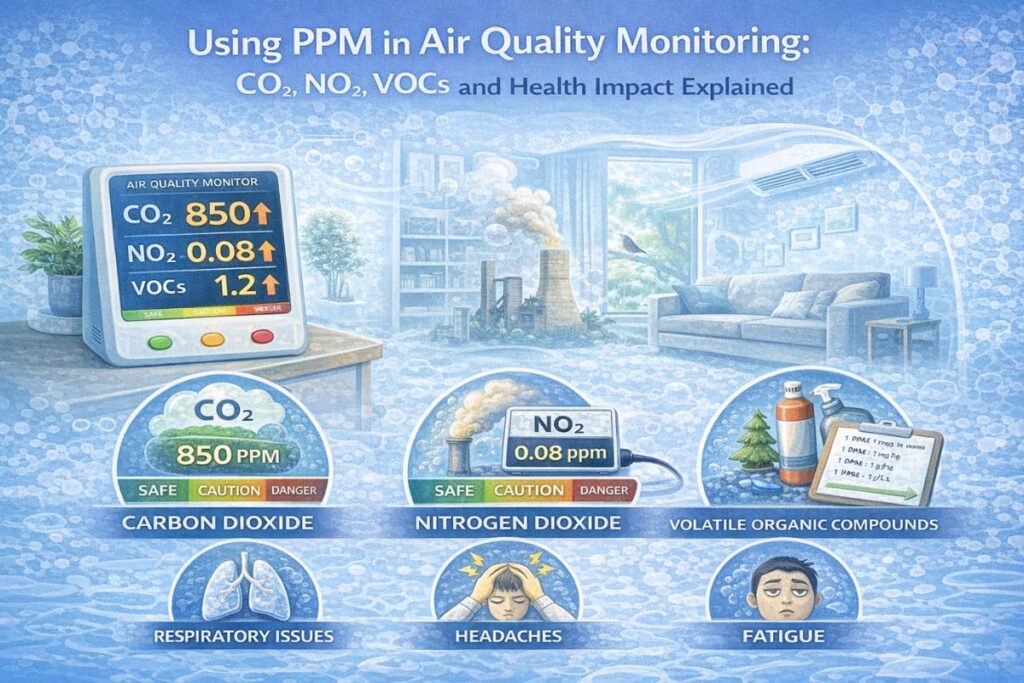
Indoor spaces such as homes, offices, and schools often trap gases that affect breathing comfort and concentration. The most monitored indoor pollutant is carbon dioxide because humans produce it when exhaling. If ventilation is poor, CO₂ PPM levels rise quickly.
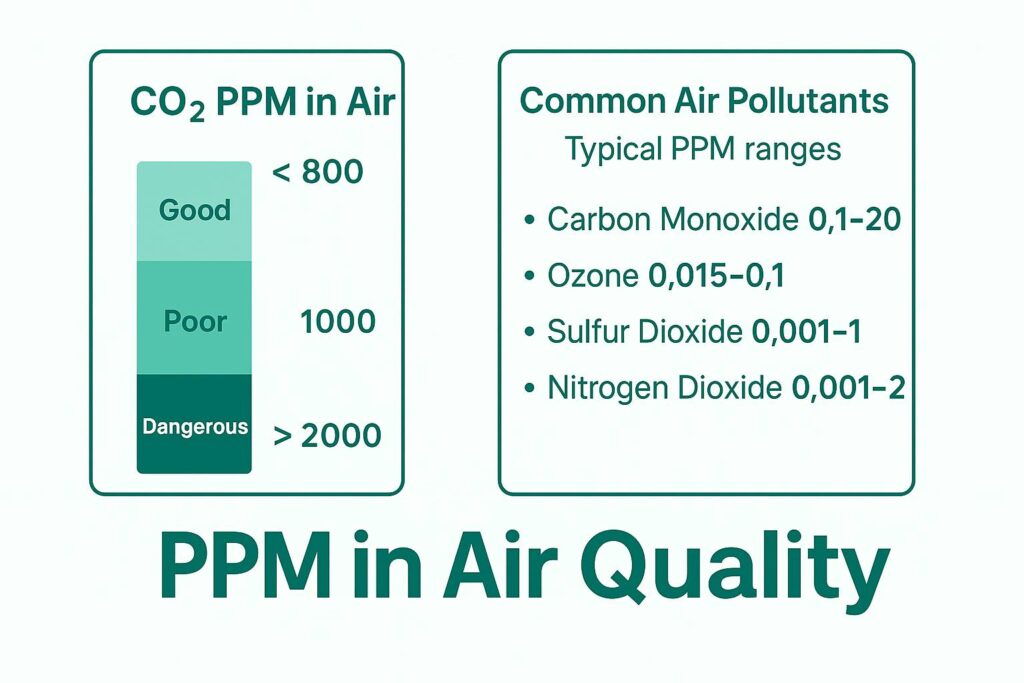
If CO₂ concentration remains below 800 PPM, indoor air usually feels fresh and comfortable. When it climbs above 1200 PPM, people may feel tired, drowsy, or unfocused. At 2000 PPM or above, many experience headaches and reduced performance. By watching PPM levels, ventilation can be adjusted before indoor air becomes unhealthy.
Volatile Organic Compounds in PPM
Volatile organic compounds or VOCs are gases released from cleaning chemicals, paints, furniture, carpets, perfumes and household materials. These compounds can irritate the eyes and throat or trigger allergies if their PPM concentration increases. Monitoring VOC levels helps identify poor indoor air quality early so that windows can be opened or air purifiers can be used to lower pollutant concentration.
PPM in Outdoor Air Quality
Outdoors, PPM in pollution levels plays a major role in environmental health. Governments track pollutants like nitrogen dioxide (NO₂), ozone (O₃) and sulphur dioxide (SO₂) in PPM concentration to ensure outdoor air stays within safe standards.
When NO₂ PPM increases near traffic or industrial zones, breathing discomfort and asthma symptoms can appear. Ozone PPM rises on hot and sunny days, affecting people with lung sensitivity. Even a small change in pollutant PPM can have widespread population effects.
Air Quality Monitoring Using PPM
Air quality stations use sensors that count how many molecules of a pollutant exist among air molecules. These sensors then convert that value into PPM concentration. Because outdoor air changes constantly due to weather, PPM readings fluctuate throughout the day.
A reading of 0.05 PPM ozone might be normal in a clean environment, while 0.10 PPM or more may trigger air quality warnings. Similarly, 0.03 to 0.1 PPM nitrogen dioxide is common in busy cities, while higher values indicate harmful exposure.
PPM and the Ideal Gas Law
The reason air PPM must sometimes be converted using formulas is that gases expand and compress based on temperature and pressure. Hot weather increases air volume, decreasing PPM concentration for the same mass of pollutant. High pressure decreases air volume, increasing PPM levels. Scientists use the ideal gas law to convert values accurately under different atmospheric conditions.
This ensures that PPM pollution monitoring remains correct whether the air is hot, cold, dense or thin.
Real Examples of PPM in Air Quality
If an office room measures 1500 PPM CO₂, ventilation is needed to improve productivity and comfort. If a home detects 4 PPM carbon monoxide, this is already dangerous and evacuation is required immediately. If a city reports 0.07 PPM ozone, people with lung conditions may need to limit outdoor activity. These examples show that tiny PPM amounts can have large health impacts depending on the gas.
Health Effects of High PPM Exposure
Different gases create different effects as PPM increases. High CO₂ PPM causes tiredness and poor concentration. High NO₂ PPM irritates lungs and triggers asthma. High CO PPM prevents oxygen from entering the bloodstream and can be deadly. High ozone PPM leads to breathing difficulty. Air quality standards exist because exposure to certain PPM pollution levels over time increases the risk of disease.
How PPM Helps Protect Public Health
By monitoring PPM levels in air, experts can predict when air becomes unhealthy. Alerts can be issued when pollutant concentration exceeds recommended limits. Schools may keep children indoors, factories may reduce output, and outdoor exercise can be limited. Thanks to PPM measurement, air quality data can be managed to protect communities.
Reducing PPM Levels Indoors
Lowering indoor PPM concentration is straightforward. Opening windows increases fresh air. Using exhaust fans removes trapped air. Houseplants help filter out gases slowly. Regular HVAC maintenance improves airflow. Air purifiers capture fine particles and reduce VOCs. These simple steps help maintain healthy PPM air levels inside buildings.
Why PPM is Important for Future Air Quality
Cities are growing and indoor time is increasing. Air pollution and ventilation concerns continue to rise. PPM monitoring helps ensure cleaner living environments. By understanding PPM in air quality, people can make smarter decisions about where they live, work and spend time. This measurement supports efforts to improve health and prevent long-term respiratory problems.
Summary
PPM in air quality measures how many pollutant molecules are present for every one million molecules of air. It is a crucial unit for evaluating indoor comfort and outdoor pollution. Even small PPM values can affect health depending on the gas involved, which is why governments, workplaces and homeowners monitor air PPM levels closely. Knowing and improving PPM concentration ensures cleaner, safer and healthier air for everyone.